
A Song Cycle for Voice and String Quartet
22 May 2026 at 8 PM
Kunst- und Kulturhaus VISAVIS
Gerechtigkeitsgasse 44, 3011 Bern
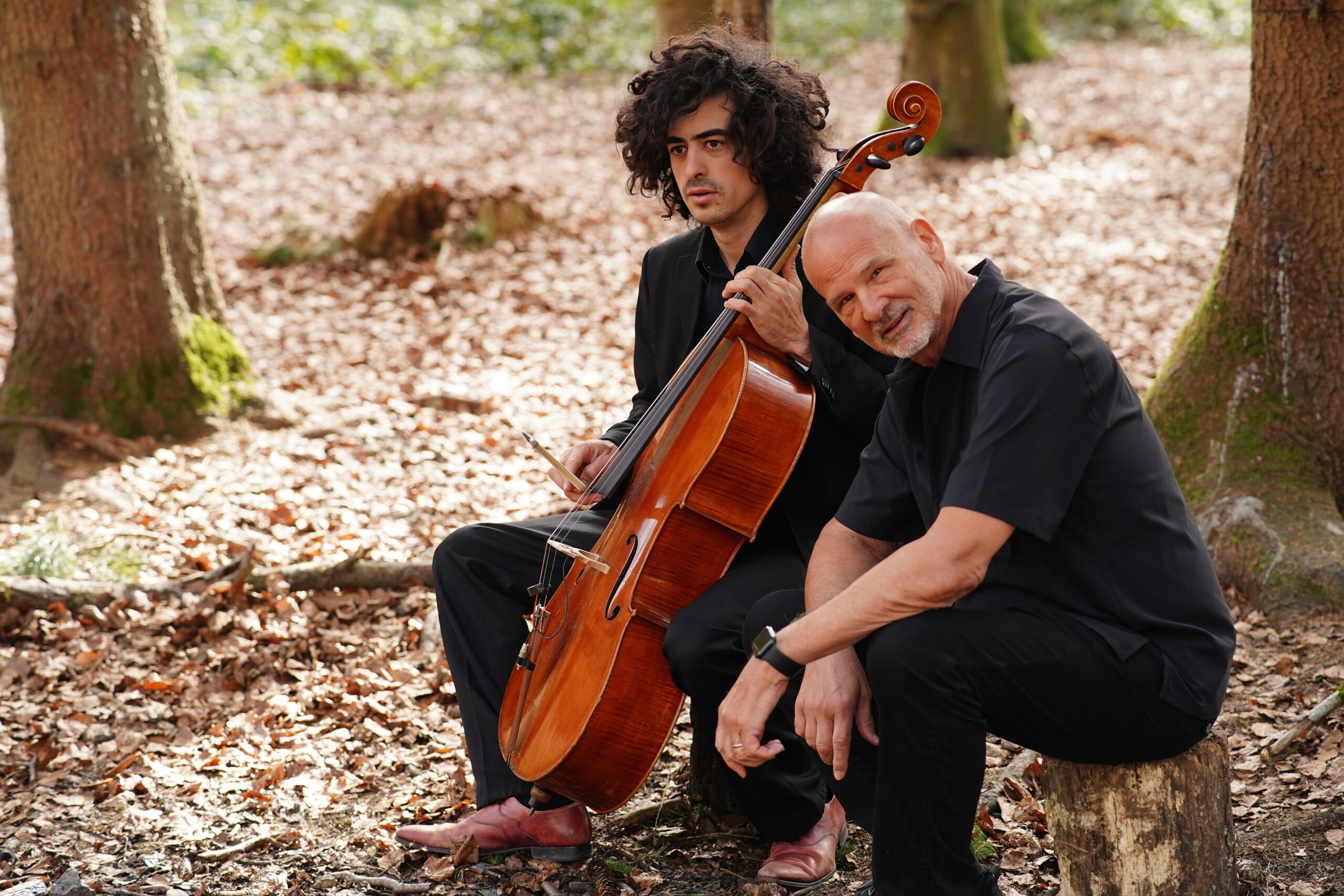
“In three words I can sum up everything I’ve learned about life: it goes on.” (Robert Frost)
From that small sentence unfolds an evening of songs where poetry and music invite you to listen inward, feel vividly alive, and, rather than go gentle, step into the ways of showing up you may have long sensed as your own.
Song 1
Text: Paul Laurence Dunbar
Music / Arrangement: Robb Correll
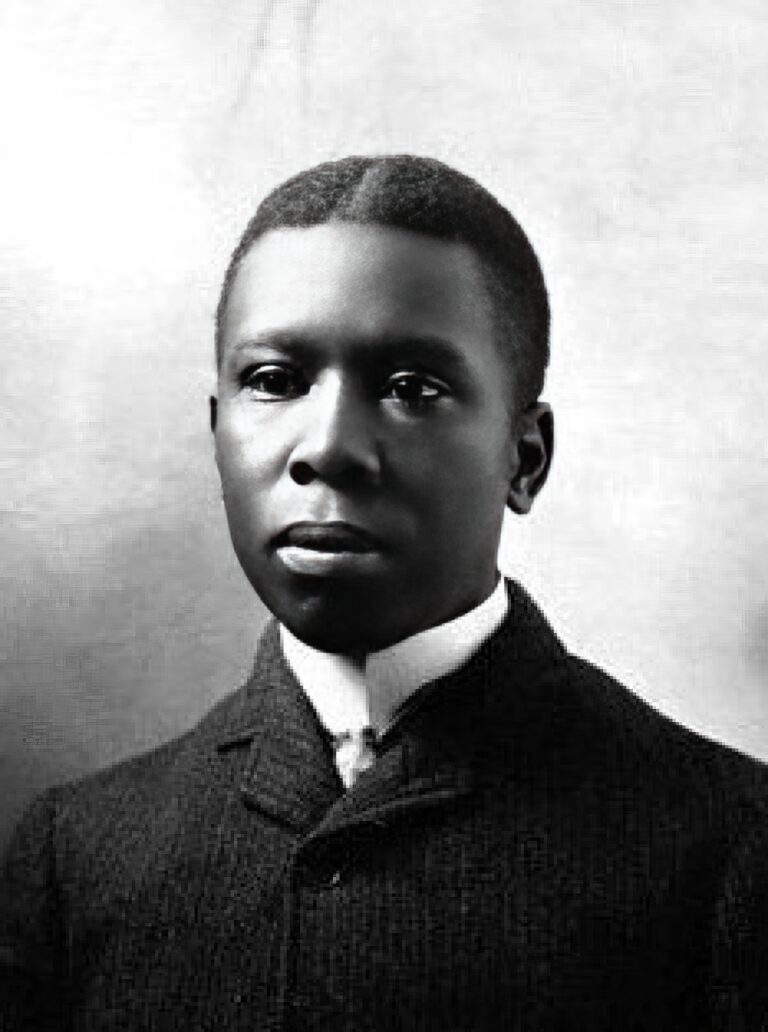
Paul Laurence Dunbar (1872–1906) – among the first Black American poets to gain national recognition for his poetry.
Ein junger Mann erschafft in seiner Vorstellung schimmernde Tempel und Luftschlösser und sieht seine hohen Ideale zu wunderbaren Gebilden heranwachsen. Er fühlt sich schon am Fuß der Ruhmestreppe, bleibt aber im süßen Traum stecken und kommt nicht ins Tun. Als er endlich aufschreckt, entdeckt er, dass ein anderer inzwischen das, was in ihm als Ahnung und Entwurf schlummerte, in die lebendige Wirklichkeit gerufen hat.
Temples he built and palaces of air,
And, with the artist’s parent-pride aglow,
His fancy saw his vague ideals grow
Into creations marvelously fair;
He set his foot upon Fame’s nether stair.
But ah, his dream,—it had entranced him so
He could not move. He could no farther go;
But paused in joy that he was even there!
He did not wake until one day there gleamed
Thro’ his dark consciousness a light that racked
His being till he rose, alert to act.
But lo! What he had dreamed, the while he dreamed,
Another, wedding action unto thought,
Into the living, pulsing world had brought.
The artist feels the same pride for his work as a parent for their child.
The very lowest step on a long staircase.
Song 2
Text: Robert Frost
Music / Arrangement: Robb Correll & Gabriel Vergelin Soler
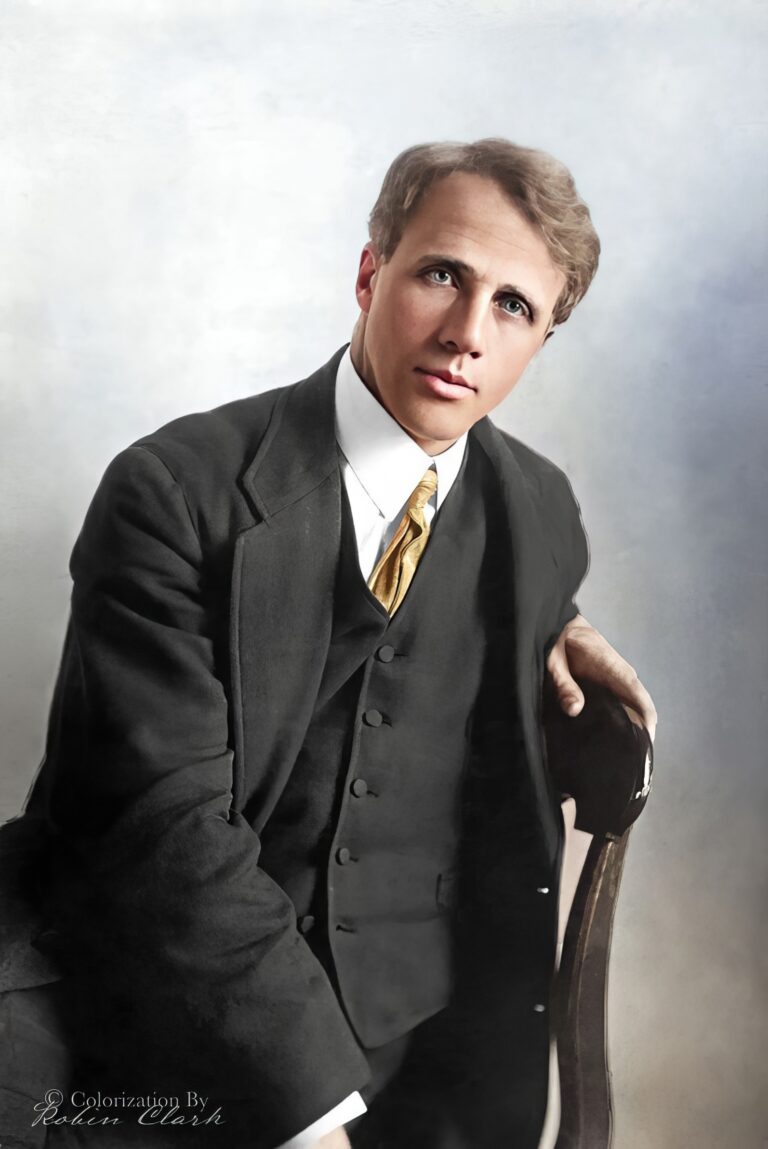
Robert Frost (1874–1963) – No stranger to grief, Frost wrote with wit, severity, and resilience about what it means to keep going in a world marked by beauty, loss, and human limits.
In diesem Gedicht spielt der Sprecher mit der Frage, ob die Welt eher durch „Feuer“ oder durch „Eis“ zugrunde gehen wird. Er verbindet dabei Feuer mit Begehren und Leidenschaft, Eis mit Kälte und Hass. Am Ende gesteht er, dass beide Kräfte – glühende Begierde wie gefrorener Hass – zerstörerisch genug wären, um die Welt zu vernichten.
Song 3
Text: Emily Dickinson
Music / Arrangement: Robb Correll
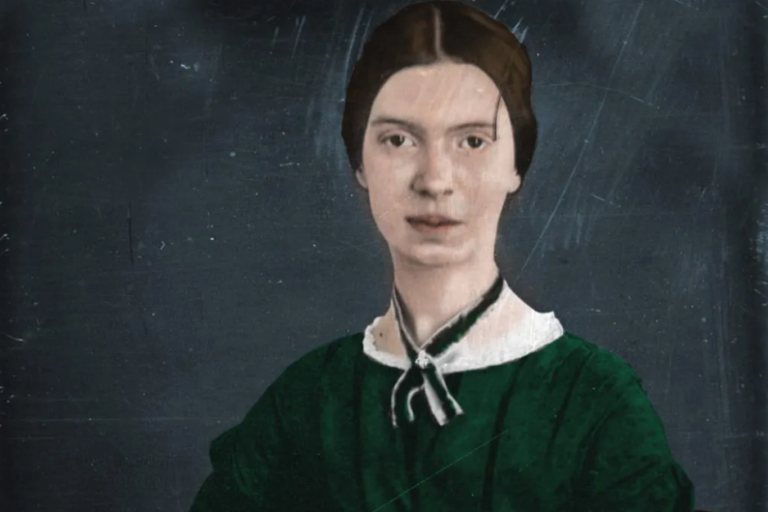
Emily Dickinson (1830–1886) – an outsider, impatient with rules, whose spare, radical poems look past everyday reality into questions of death, eternity, and the hidden dramas of the mind and heart.
In diesem Gedicht erzählt eine Stimme, wie der Tod nicht als Schreckgestalt, sondern als höflicher Begleiter in einer Kutsche erscheint und sie ruhig durch verschiedene Stationen des Lebens fährt – an Kindheit, Alltag und untergehender Sonne vorbei. Die Fahrt hat etwas still Unheimliches: Erst allmählich wird deutlich, dass sie in eine Art Ewigkeit führt, die weder sentimental noch theatralisch tragisch ist, sondern eine Mischung aus leiser Unruhe und tiefer Ruhe in sich trägt.
Because I could not stop for Death –
He kindly stopped for me –
The Carriage held but just Ourselves –
And Immortality.
We slowly drove – He knew no haste
And I had put away
My labor and my leisure too,
For His Civility –
We passed the School, where Children strove
At Recess – in the Ring –
We passed the Fields of Gazing Grain –
We passed the Setting Sun –
Or rather – He passed Us –
The Dews drew quivering and Chill –
For only Gossamer, my Gown –
My Tippet – only Tulle –
We paused before a House that seemed
A Swelling of the Ground –
The Roof was scarcely visible –
The Cornice – in the Ground –
Since then – ’tis Centuries – and yet
Feels shorter than the Day
I first surmised the Horses’ Heads
Were toward Eternity –
Break time
Childrens’ playground games that involve ‘rings’ or circles.
Something extremely light, thin, filmy, and delicate—like a floating spiderweb or a sheer fabric such as a wedding veil.
Means that her shawl or shoulder cape is made only of a sheer, delicate netting fabric.
A decorative or functional horizontal molding that crowns or caps an architectural element. Here: a gravestone.
Song 4
Text: Robert Frost
Music / Arrangement: Robb Correll
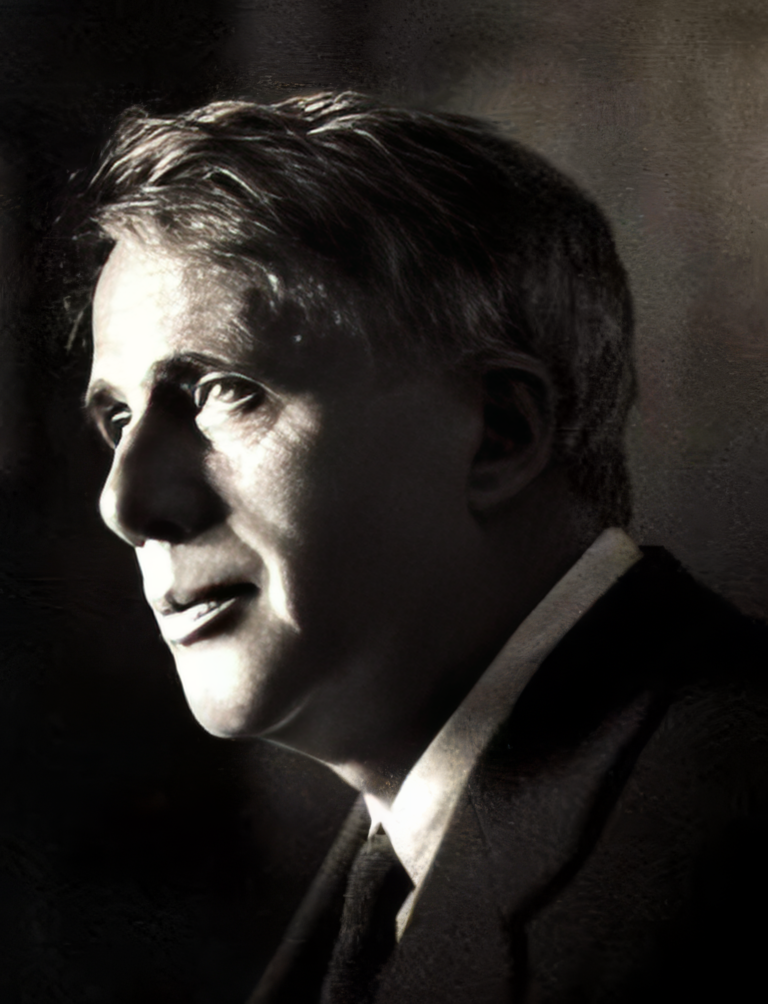
Robert Frost (1874–1963) – in Frost’s poems, woods, snow, paths, and fields are never just scenery; they become places where desire, loneliness, and the stories we tell about our choices come into view.
In diesem Gedicht erinnert sich eine Stimme an einen Moment in einem herbstlichen Wald, in dem sich der Weg in zwei Pfade teilt. Beide wirken eigentlich nahezu gleich, doch das lyrische Ich wählt den scheinbar „weniger begangenen“ und stellt sich vor, irgendwann später einmal mit einem Seufzer zu erzählen, dass genau diese Wahl „den ganzen Unterschied“ gemacht habe – vielleicht mehr als augenzwinkernde Selbsterzählung denn als klare Tatsache.
Two roads diverged in a yellow wood,
And sorry I could not travel both
And be one traveler, long I stood
And looked down one as far as I could
To where it bent in the undergrowth;
Then took the other, as just as fair,
And having perhaps the better claim,
Because it was grassy and wanted wear;
Though as for that the passing there
Had worn them really about the same,
And both that morning equally lay
In leaves no step had trodden black.
Oh, I kept the first for another day!
Yet knowing how way leads on to way,
I doubted if I should ever come back.
I shall be telling this with a sigh
Somewhere ages and ages hence:
Two roads diverged in a wood, and I—
I took the one less traveled by,
And that has made all the difference.
Song 5
Text: E. E. Cummings
Music / Arrangement: Robb Correll
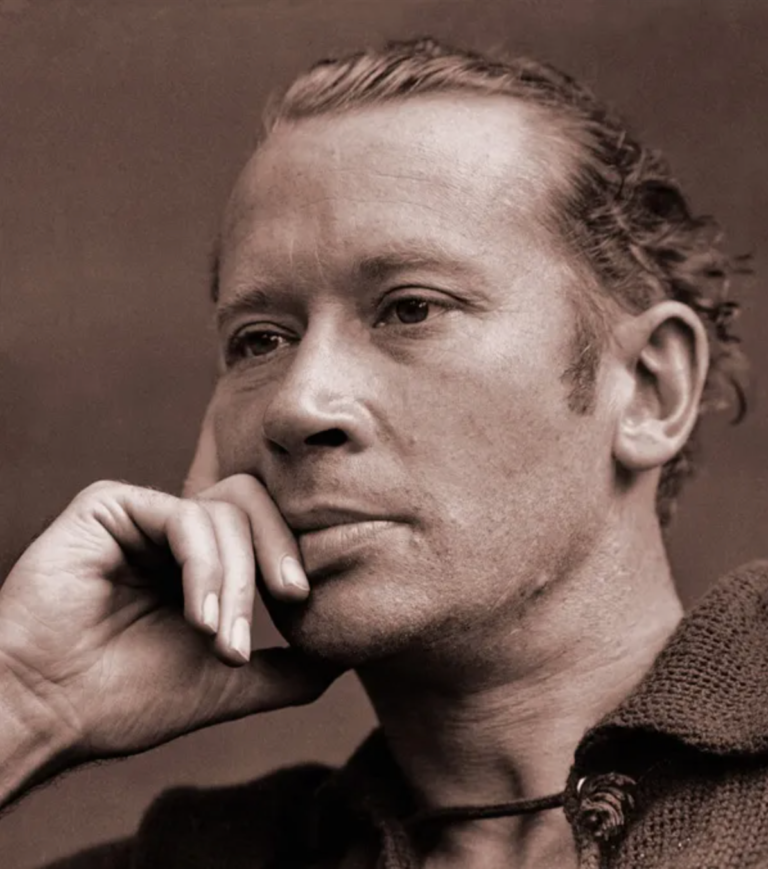
E. E. Cummings (1894–1962) – an experimental modernist and playful rule‑breaker, famous for bending syntax, punctuation, and form. Though he and Robert Frost were among the most well-known American poets of their time, there is no record that they ever met or corresponded, reflecting how differently they stood in the poetic landscape: Frost the classicist of the New England pasture, Cummings the radical of the inner leap.
In diesem Liebesgedicht spricht eine Stimme zu einem Du und erklärt, dass sie dessen Herz immer bei sich trägt – so eng verbunden, dass kein Schritt und keine Tat wirklich „allein“ geschehen. Das Du wird als Schicksal, als ganze Welt und als das Geheimnis benannt, das allem – Mond, Sonne, Baum des Lebens, selbst den Sternen – Bedeutung gibt. Am Ende verdichtet sich alles in das einfache Bekenntnis: „Ich trage dein Herz – ich trage es in meinem Herzen.“
Song 6
Text: Wendell Berry
Music / Arrangement: Robb Correll
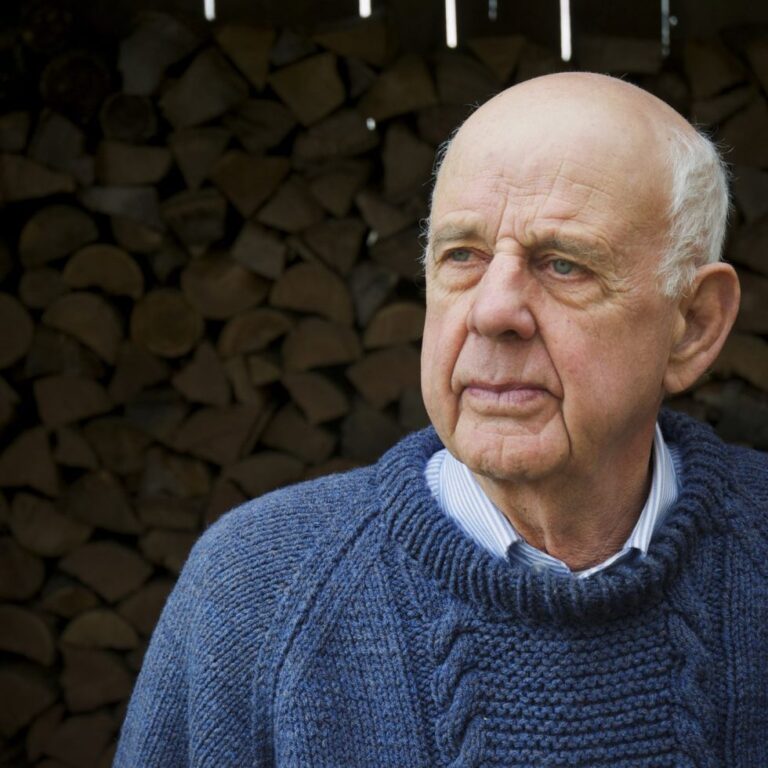
Wendell Berry (born 1934) – American poet, novelist, farmer, and environmental activist whose writing circles back to fields, forests, and rivers, asking how quiet attention to place can heal both the inner life and our sense of belonging.
In diesem Gedicht erzählt eine Stimme, wie Verzweiflung und Angst um die Zukunft der Welt und der eigenen Kinder sie nachts nicht zur Ruhe kommen lassen. Daraufhin sucht sie die Nähe von wilden Tieren und stillem Wasser – Wesen, die ihr Leben nicht mit “vorweggenommener Trauer” belasten, sondern einfach im Moment sind. In ihrer Gegenwart, unter den wartenden Sternen, darf das lyrische Ich für eine Weile in der Gnade der Welt ausruhen und spürt, wie es innerlich frei wird.
When despair for the world grows in me
and I wake in the night at the least sound
in fear of what my life and my children’s lives may be,
I go and lie down where the wood drake rests in his beauty on the water, and the great heron feeds.
I come into the peace of wild things who do not tax their lives with forethought of grief.
I come into the presence of still water. And I feel above me the day-blind stars waiting with their light.
For a time I rest in the grace of the world, and am free.
Song 7
Text: Dylan Thomas
Music / Arrangement: Robb Correll
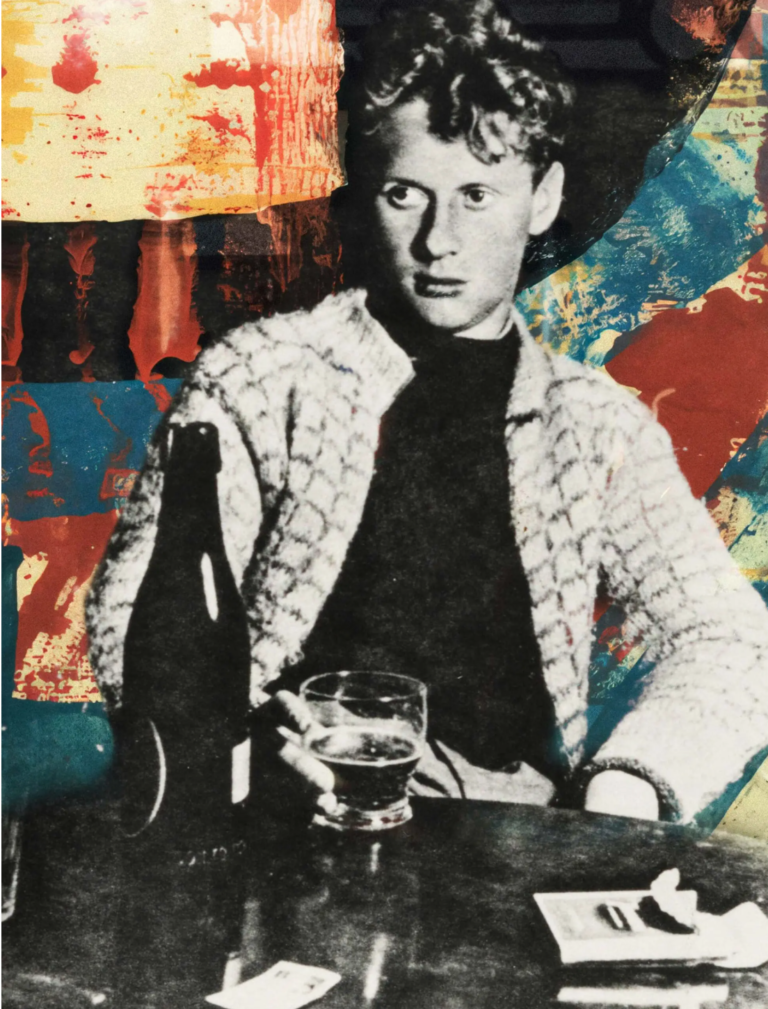
Dylan Thomas (1914–1953) – Welsh poet of fierce music and vivid imagery, whose villanelles and lyrical poems confront mortality head‑on, insisting on passion, defiance, and full feeling even in the face of loss and approaching death.
In diesem Gedicht richtet sich eine Stimme an den sterbenden Vater und bittet ihn eindringlich, „nicht sanft in jene gute Nacht“ hinüberzugehen, sondern sich mit aller Kraft gegen das Sterben zu stemmen. Anders als die „wilden Dinge“, die ihr Leben nicht mit vorweggenommener Trauer belasten, besteht dieses Gedicht darauf, das Bewusstsein für die Endlichkeit voll auszuhalten: Es zeigt, wie Weise, Gerechte, Wilde und Ernsthafte im Angesicht des Todes noch einmal aufbegehren, weil alles, was wir lieben, unweigerlich verloren geht. Die wiederkehrenden Zeilen „Do not go gentle into that good night“ und „Rage, rage against the dying of the light“ machen das Gedicht zu einem leidenschaftlichen Aufruf, dem Sterben nicht passiv zu begegnen, sondern ihm noch einmal mit ganzer innerer Kraft entgegenzutreten – und zugleich zu einem Ausdruck der Hilflosigkeit des Zurückbleibenden angesichts der Unausweichlichkeit des Todes.
Do not go gentle into that good night,
Old age should burn and rave at close of day;
rage, rage against the dying of the light.
Song 8
Text: Robert Frost
Music: Robb Correll
Arrangement: Gabriel Vergelin Soler
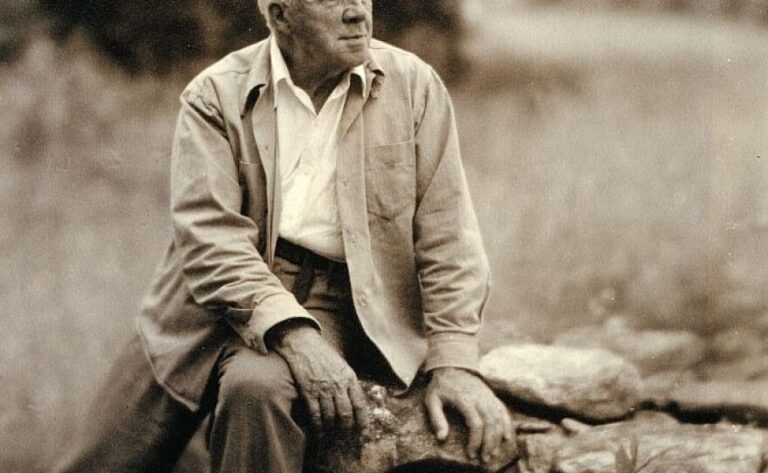
Robert Frost (1874–1963) – a poet of New England landscapes and “inner weather,” who often used plain speech to let doubt, irony, and hard‑won wisdom surface in seemingly simple scenes of neighbors, work, and old sayings.
In diesem Gedicht erzählt eine Stimme von einem alten Steinwall zwischen zwei Nachbargrundstücken, der jeden Frühling gemeinsam ausgebessert wird, obwohl an dieser Stelle eigentlich nichts „eingezäunt“ werden muss. Während das lyrische Ich spürt, dass „etwas“ in der Welt diese Mauer immer wieder auseinanderdrückt und sich mit einem gewissen Schalk fragt, wozu und für wen man hier überhaupt eine Grenze braucht, hält der Nachbar stur an dem Spruch seines Vaters fest: „Good fences make good neighbors.“ So wird das gemeinsame Mauerflicken – mit leiser Ironie, aber ohne Hass – zu einem stillen Gespräch darüber, wie tief alte Sätze und Gewohnheiten unser Denken prägen und wie schwer sie sich überhaupt in Frage stellen lassen.
Song 9
Text: Henry Wadsworth Longfellow
Music / Arrangement: Robb Correll
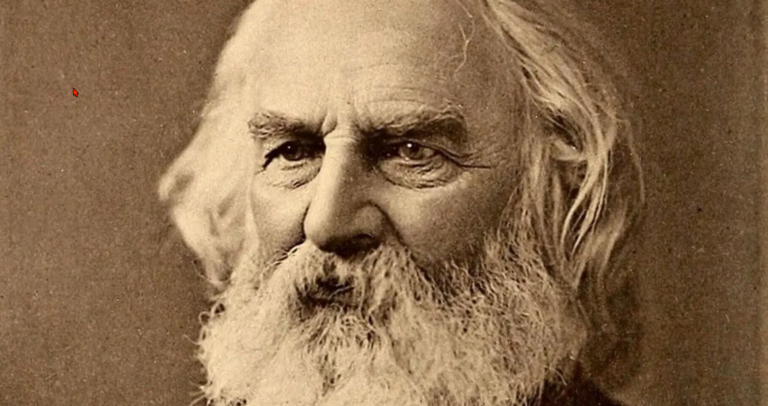
Henry Wadsworth Longfellow (1807–1882) – One of the most widely read poets of his day, Longfellow often wrote in a clear, musical language that turns everyday scenes and family life into images of tenderness, memory, and quietly enduring love.
In diesem Gedicht feiert ein Vater die tägliche „Kinderstunde“ zwischen Tag und Dunkel, in der seine drei Töchter mit Lachen, Umarmungen und Küssen sein Arbeitszimmer stürmen und ihn ganz für sich beanspruchen. Aus diesem Moment reiner Gegenwartsfreude wird eine Liebeserklärung, in der der Sprecher seine Kinder im „Rundturm seines Herzens“ für immer bewahren möchte – bis Mauern und Körper zerfallen und sein eigenes Leben längst vorüber ist.
Between the dark and the daylight,
When the night is beginning to lower,
Comes a pause in the day’s occupations,
That is known as the Children’s Hour.
I hear in the chamber above me
The patter of little feet,
The sound of a door that is opened,
And voices soft and sweet.
From my study I see in the lamplight,
Descending the broad hall stair,
Grave Alice, and laughing Allegra,
And Edith with golden hair.
A whisper, and then a silence:
Yet I know by their merry eyes
They are plotting and planning together
To take me by surprise.
A sudden rush from the stairway,
A sudden raid from the hall!
By three doors left unguarded
They enter my castle wall!
They climb up into my turret
O’er the arms and back of my chair;
If I try to escape, they surround me;
They seem to be everywhere.
They almost devour me with kisses,
Their arms about me entwine,
Till I think of the Bishop of Bingen
In his Mouse-Tower on the Rhine!
Do you think, O blue-eyed banditti,
Because you have scaled the wall,
Such an old mustache as I am
Is not a match for you all!
I have you fast in my fortress,
And will not let you depart,
But put you down into the dungeon
In the round-tower of my heart.
And there will I keep you forever,
Yes, forever and a day,
Till the walls shall crumble to ruin,
And moulder in dust away!
Humorous overstatement using a legend of a cruel bishop devoured by mice. A mock‑epic comparison from a grim legend to a loving family siege.
Song 10
Text: Robert Frost
Music / Arrangement: Robb Correll
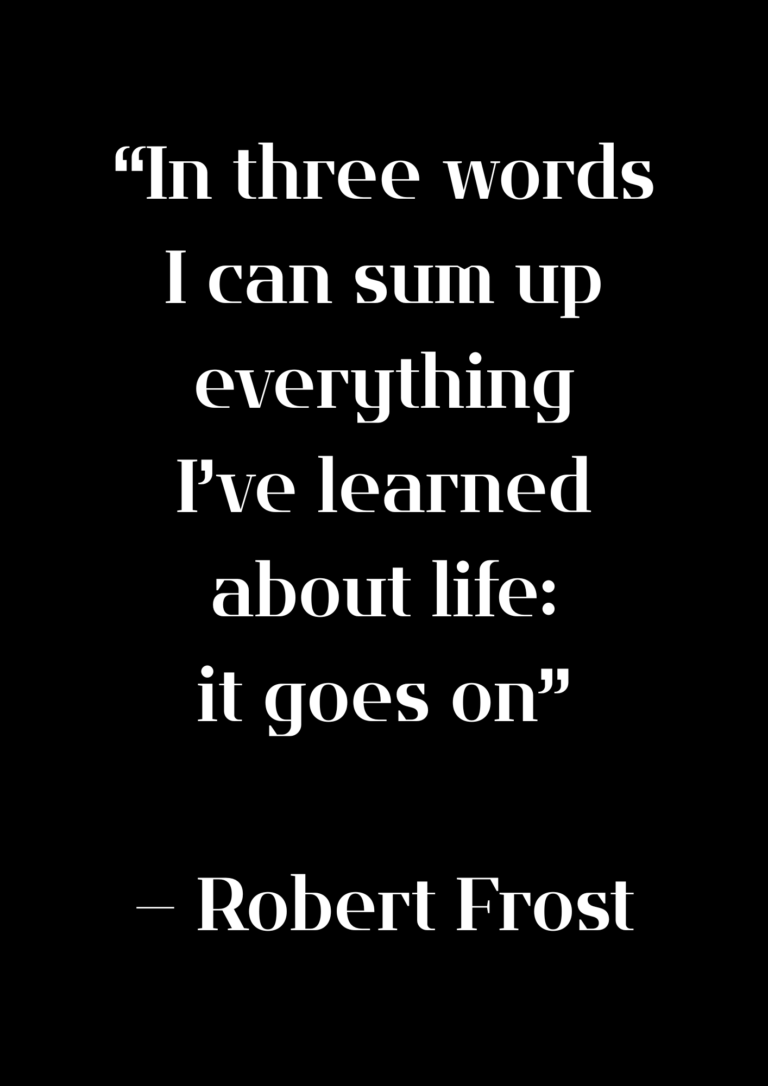
Robert Frost (1874–1963) – American poet whose work, marked by personal loss, often watches ordinary people with a keen, gently ironic eye, holding both a quiet skepticism about the truths we seek and a compassionate acceptance of the ways we keep seeking them anyway.
In diesem Gedicht beschreibt Frost Menschen, die am Strand stehen, dem Land den Rücken kehren und stundenlang auf das Meer hinausschauen, obwohl sie weder weit hinaus- noch tief hinunterschauen können. Ihr beharrlicher Blick ins Ungewisse wird zu einem leise humorvollen Bild dafür, wie wir Menschen in der Weite und Bewegung der Welt Ruhe und Sinn suchen, auch wenn keine eindeutigen Antworten auftauchen und am Ende nur sicher ist, dass „das Wasser ans Ufer kommt“ – und das Leben einfach weitergeht.
The people along the sand
All turn and look one way.
They turn their back on the land.
They look at the sea all day.
As long as it takes to pass
A ship keeps raising its hull;
The wetter ground like glass
Reflects a standing gull
The land may vary more;
But wherever the truth may be—
The water comes ashore,
And the people look at the sea.
They cannot look out far.
They cannot look in deep.
But when was that ever a bar
To any watch they keep?
Credits and Sources
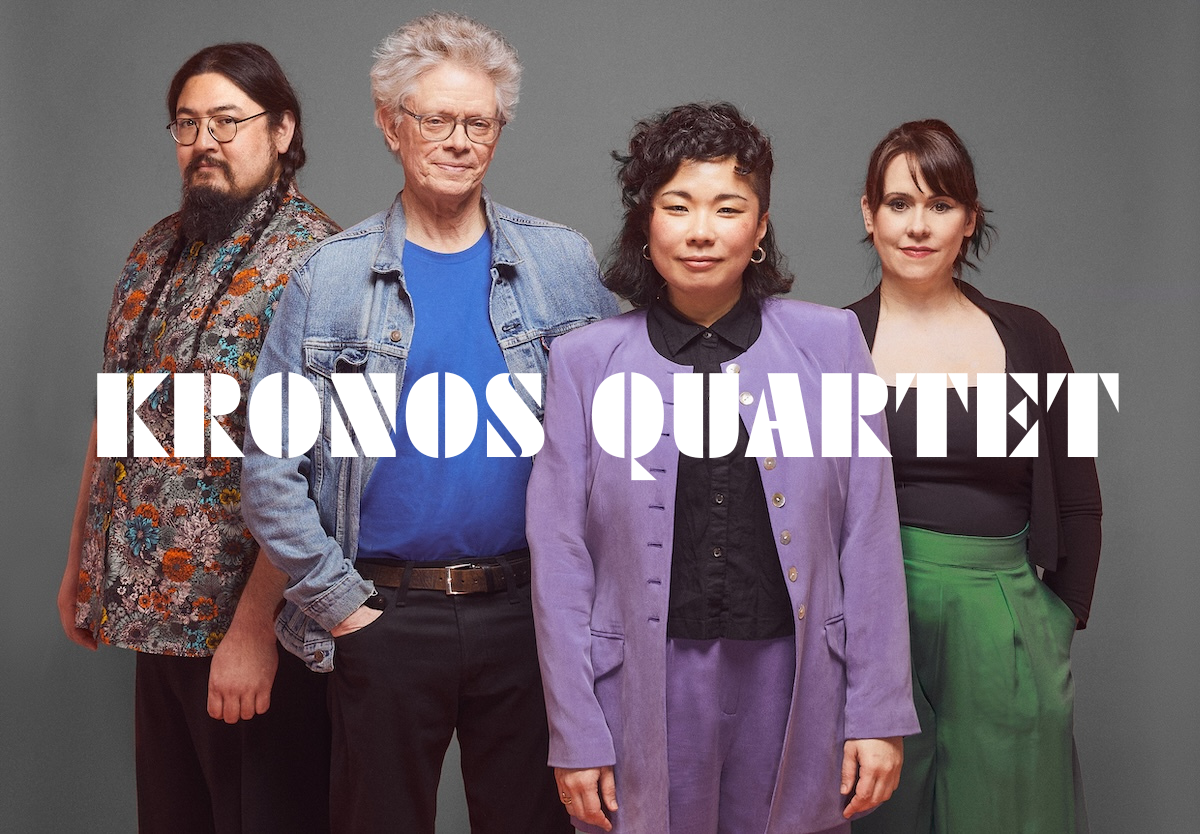
Never having scored for voice and string quartet before, I (Robb) spent a lot of time during the composition phase of this project reading scores and listening to good examples of music for string quartet with and without voice.
I was highly influenced by The Kronos Quartet and thier free library of fifty contemporary works designed to guide string quartets in developing and honing the skills required for the performance of 21st-century repertoire. None of this music, however, went directly into our arrangements.
The Intro and Outro for Song 1, The Dreamer, adapt or directly quote bits of the piece Waltz after Lasse in Lybe, by the Danish Quartet.
Song 9, The Children’s Hour, relies heavily on adaptations and direct quotes from Ribers No. 8, also by the Danish Quartet.
Song 7, Do Not Go Gentle Into That Good Night, relies heavily on adaptations and direct quotes from Skylife by The Turtle Island String Quartet.
The Intro and musical interludes in Song 3, Because I Could Not Stop For Death, are adapted and include direct quotes from Tutu-Tango – String Quartet.
In composing Song 10, Neither Out Far Nor In Deep I wanted to use the harmonic progression of an art song I sang many years ago and loved: Les Berceaux by Gabriel Fauré. I also wanted to hear parts of the original melody played by the cello in the arrangement. So this song has also been both adapted and directly quoted.
A Heartfelt Word of Thanks
to my family, friends and mentors in this project.
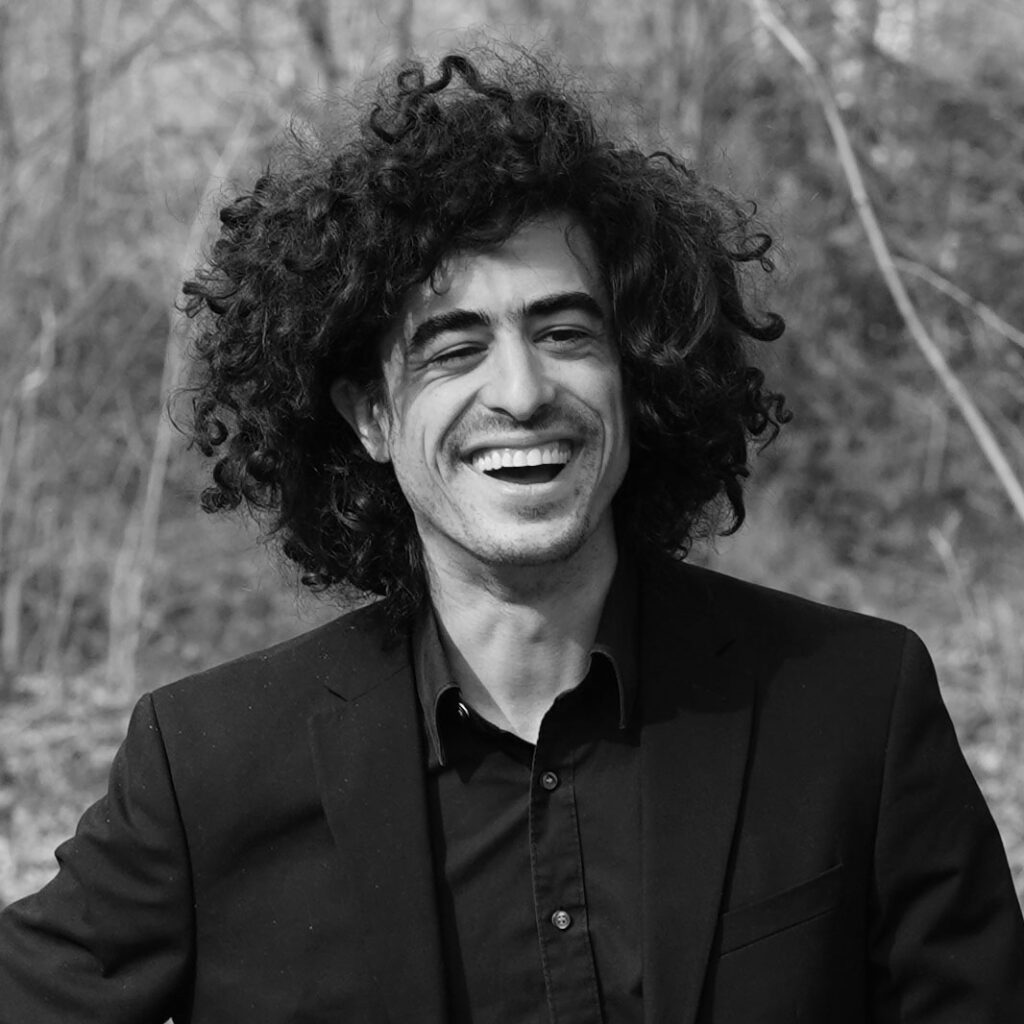
Gabriel Vergelin Soler
Without Gabriel, this project would never have become more than one of my vague ideals, never have been brought into the living, pulsing world beyond the dream.
He has provided inspiration by suggesting source material that became the basis for compositions and arrangements, and he has created a context of accountability that gave me no way out or back – only forward.
Every suggestion he made for each song, whether in composition or arrangement, made the music markedly better. He organised and brought together the quartet and has served as musical director for the project.
Most importantly, Gabriel has been my friend, and simply spending time with him doing what we both love best – making music – has been one of the very best parts of this creative process.
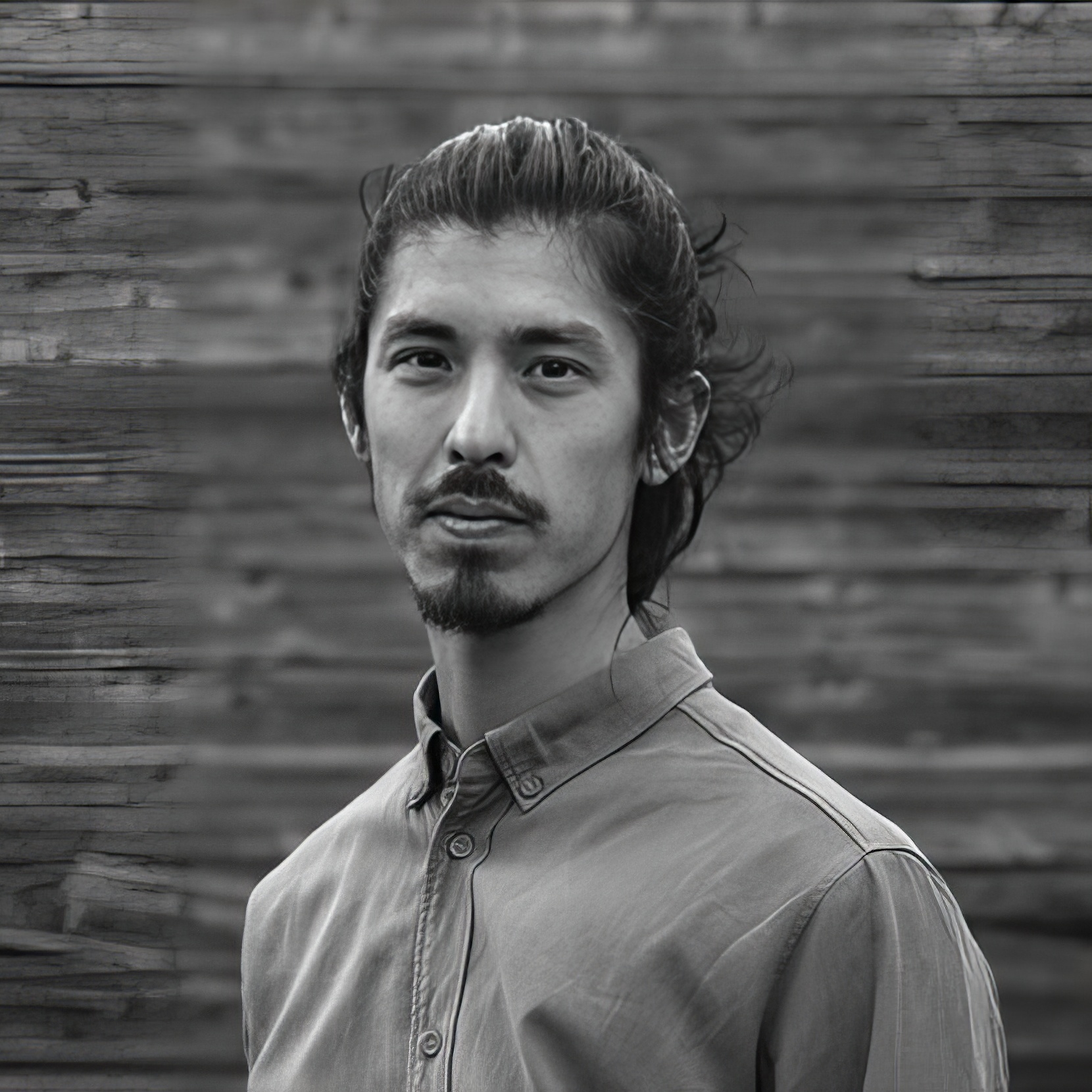
Vincent Morris
Vincent has an astute ear and a keen sense of what sounds good and right – especially when it comes to voicings and harmonies – and his contributions to the arrangements have led to subtle but highly significant improvements in what I can only call their simplicity, elegance, and smoothness.
More than that, Vincent has been a friend I simply love spending time with. He has listened to me patiently and without judgment, holding space when I needed to rant about my doubts, fears, and “impossibilities.” Vincent is a deep well of wisdom and compassion, and somehow – simply through his being – he helped me believe that this program would be good enough, meaning, in his words, that it is ready for the world to have it. In this way, he has been a great support in helping me do what Martha Graham calls our only purpose in life as artists: to keep the channel open.
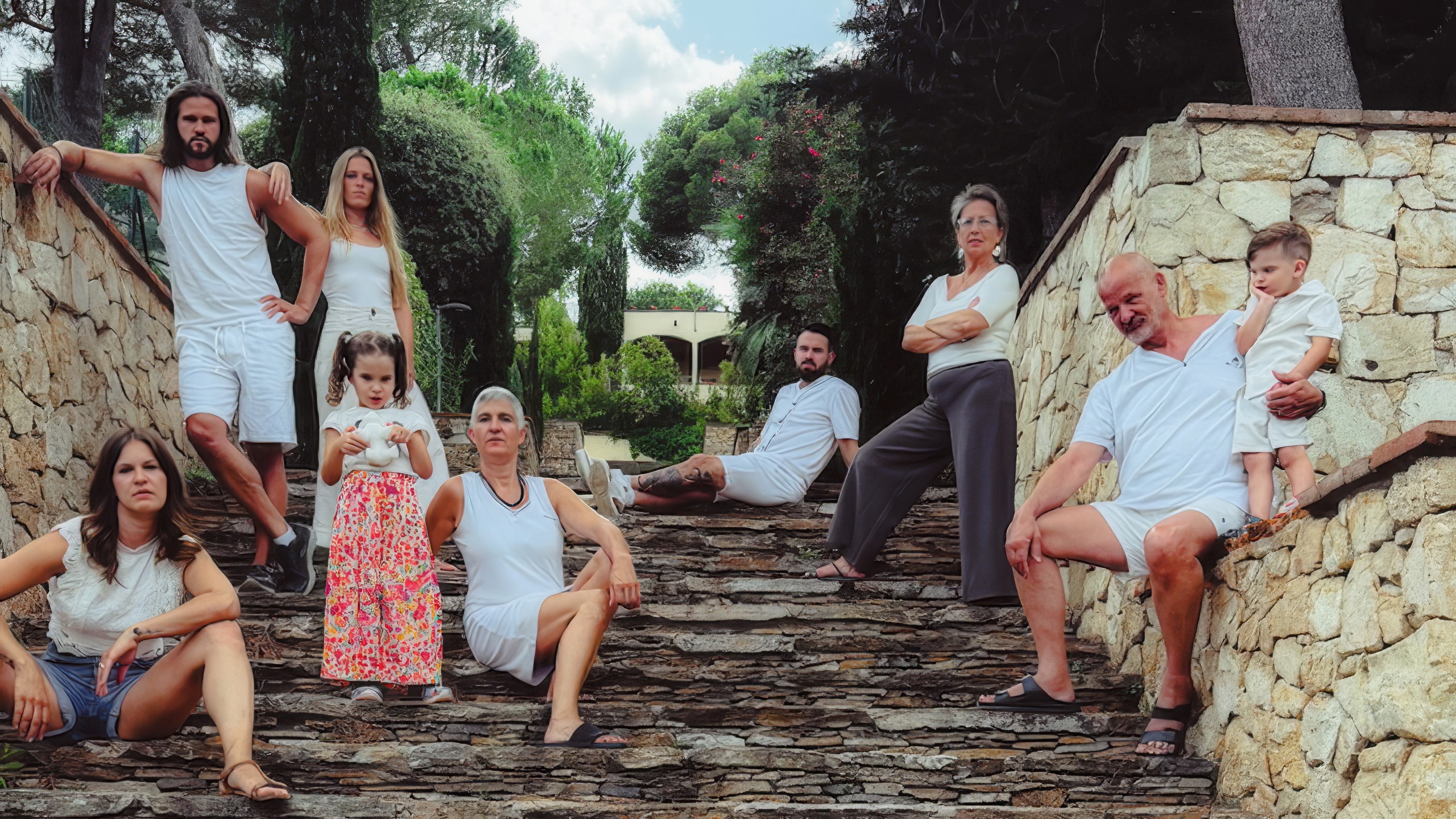
My Family
Who have supported and sustained me in countless ways, and who continue to do so as I keep moving through this ongoing process of becoming and showing up.
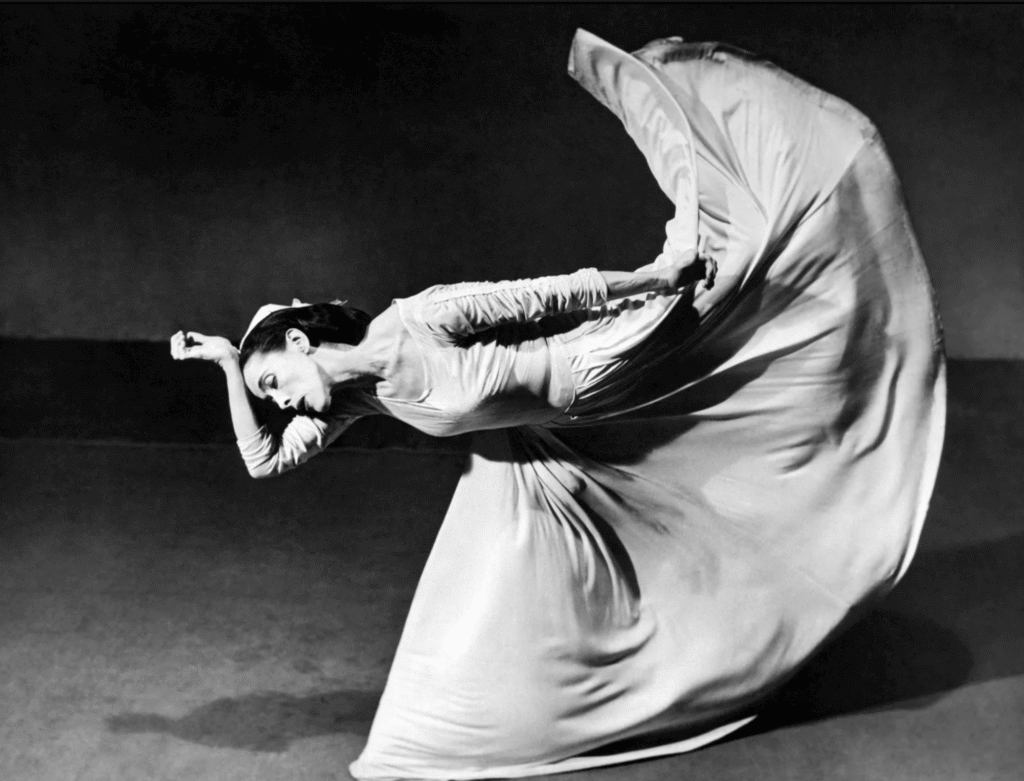
Martha Graham
“There is a vitality, a life force, an energy, a quickening that is translated through you into action, and because there is only one of you in all of time, this expression is unique. And if you block it, it will never exist through any other medium and it will be lost. The world will not have it. It is not your business to determine how good it is nor how valuable nor how it compares with other expressions. It is your business to keep it yours clearly and directly, to keep the channel open. You do not even have to believe in yourself or your work. You have to keep yourself open and aware to the urges that motivate you. Keep the channel open.”
 English (UK)
 Deutsch (Schweiz)